Glacier · Sun Road guide

Drive Going-to-the-Sun Road with enough margin to enjoy it.

Glacier’s signature road is part alpine crossing, part parking puzzle, part weather call. The day gets better when Lake McDonald, Logan Pass, St. Mary, and the backup plan each have room.

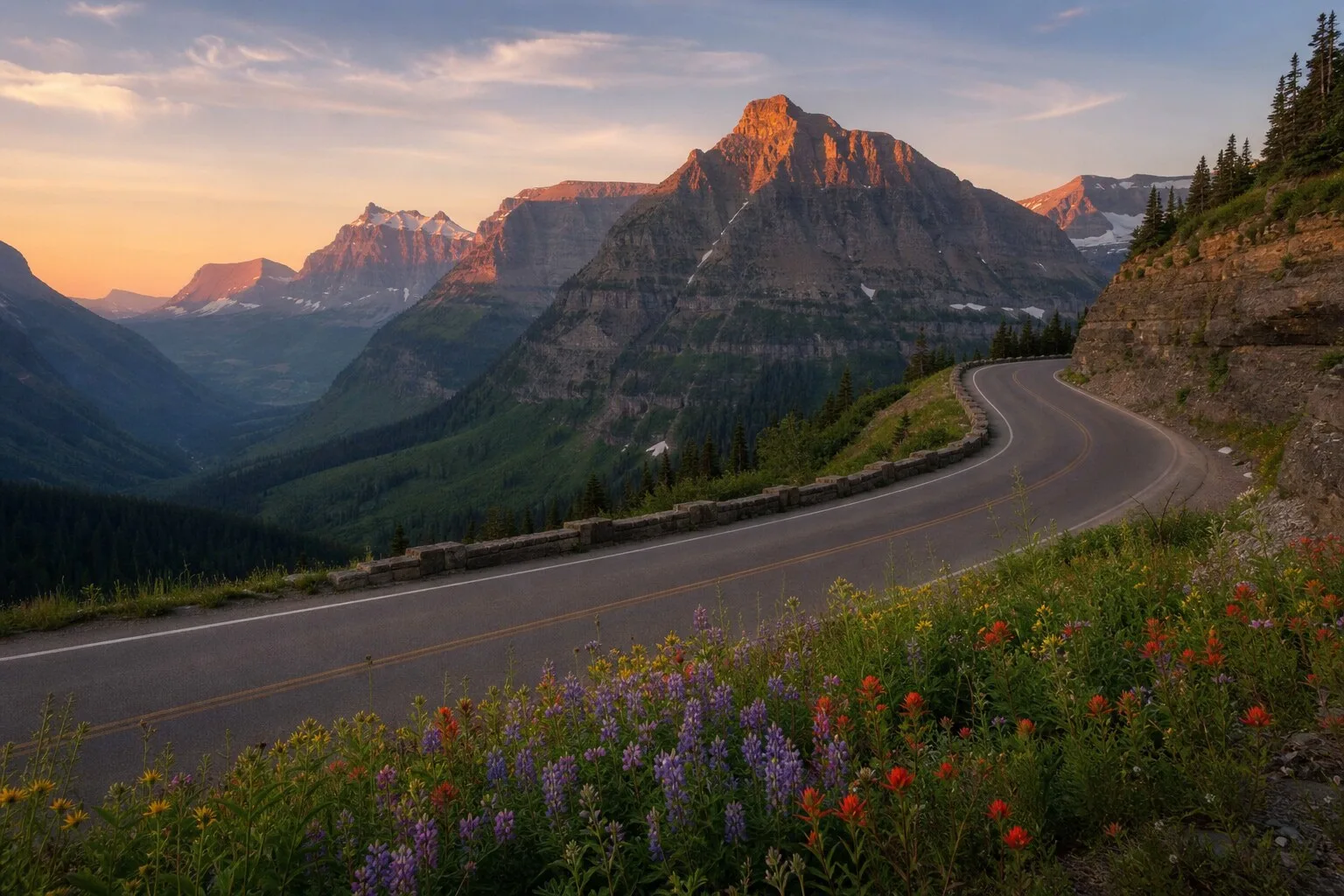
Going-to-the-Sun Road at dawn in Glacier National Park

Start with reality

The road is not just a scenic line across the map.

Going-to-the-Sun Road crosses the Continental Divide, climbs to Logan Pass, links two very different sides of Glacier, and changes with snow, reservations, construction, smoke, parking, and shuttle operations.

Check official road status →

First decisions before the Sun Road day

Set these before choosing hikes, pullouts, or dinner. They decide whether the day feels spacious or like a late scramble over the divide.

First tab open

Check road status before choosing the day

The alpine section usually opens later than the valley roads and can close temporarily for snow, slides, construction, smoke, or weather. A strong itinerary waits for the official status page before locking the crossing day.

Road status

Entry rules

Know whether vehicle reservations apply

Glacier has used timed vehicle reservations for busy corridors in recent seasons. Rules can vary by entrance, date, time of day, and whether you already have lodging or activity reservations inside the park.

Vehicle reservations

Route direction

Choose west-to-east or east-to-west on purpose

A west-side start makes Lake McDonald, Avalanche, and the climb to Logan Pass feel natural. An east-side start favors St. Mary sunrise, the big lake views, and a finish toward Apgar or Whitefish.

Sun Road planning

Let Lake McDonald carry the west-side morning.

Apgar and Lake McDonald are not filler before the famous climb. They are the easiest beautiful start, the best low-elevation fallback, and a useful place to slow the trip down before traffic and alpine weather take over.

Let Lake McDonald carry the west-side morning.

Stops worth planning real time around

The road is short on paper and slow in real life. Use these stops as building blocks, then cut aggressively when parking, weather, or a longer hike changes the pace.

West start · 30–90 min

Apgar and Lake McDonald

Use Apgar for coffee, restrooms, the visitor center, and lake light before the road climbs. Lake McDonald pullouts are the easiest beautiful backup if the high road is delayed.

Lake McDonald

Accessible walk or real hike

Trail of the Cedars and Avalanche

Trail of the Cedars is the short, shaded boardwalk loop; Avalanche Lake turns the stop into a longer hike that can consume the best part of a day. Pick one version before you chase Logan Pass parking.

Avalanche Lake

Pullouts · exposure

The Loop and west-side climb

The road narrows and the views open quickly above the valley. Use pullouts, expect slow traffic, and give nervous drivers or motion-sensitive passengers a heads-up before the cliffside sections.

1.5–3 mi · alpine weather

Logan Pass and Hidden Lake Overlook

Logan Pass is the prize and the bottleneck. Hidden Lake Overlook is the classic short hike, but snowfields, wind, goats, crowds, and parking can change the plan even on a sunny morning.

Logan Pass

Quick east-side stop

Jackson Glacier Overlook

One of the simplest places to look toward a named glacier without adding a long trail. It is also a good moment to reset expectations about how few glaciers are easy to see from the road.

East-side payoff

St. Mary Lake and Wild Goose Island

The east side gives the road its wide, cinematic finish: St. Mary Lake, the island overlook, big wind, and long views back toward the high country you just crossed.

St. Mary Lake

Season, weather, and access change the drive

Glacier changes by month and sometimes by hour. Snowpack, reservations, construction, smoke, shuttle schedules, and services decide what version of the Sun Road is available that day.

Early season can stop at the snow line

May and June often bring plowing, lingering snow, cold mornings, wet trails, and partial road access. Valley roads can be open while the alpine crossing is still unavailable.

Getting around

Peak summer rewards early alarms

Parking pressure, entrance lines, heat on exposed boardwalks, and afternoon storms all argue for an early start. Midday is better for lunch, lake pullouts, or a slower gateway reset than for starting Logan Pass cold.

Smoke and construction can rewrite the view

Wildfire smoke, chip sealing, pilot cars, and temporary closures can turn the perfect scenic-drive day into a practical route decision. Keep a lower lake, North Fork, or gateway-food version ready.

Current conditions

Fall is beautiful but services thin out

September can bring clearer trails and cooler air, but visitor services, shuttles, and road segments begin changing. Check both road status and open facilities before assuming a summer-style day.

Hours and seasons

Sun Road planning

Give Logan Pass a real morning plan.

The pass is the emotional center of the road, but it is also the place most likely to expose weak planning: full lots, cold wind, snow on trails, wildlife jams, and groups that forgot how much daylight the west-side stops already used.

Give Logan Pass a real morning plan.

Four useful Sun Road day shapes

Pick one main version before you leave the room. The day works better when the drive has a primary shape instead of a long list of maybe-stops.

Classic full crossing

Sleep near West Glacier or St. Mary, start early, drive the full road, give Logan Pass real time, and end dinner on the opposite side or return before fatigue turns the drive sour.

West-side partial day

Apgar, Lake McDonald, Trail of the Cedars, Avalanche, and the climb toward The Loop still deliver a strong Glacier day when Logan Pass is closed or parking is gone.

East-side lake and pass day

Start from St. Mary or Many Glacier, catch morning light on St. Mary Lake, climb toward Logan Pass, then decide whether to cross fully or keep the day east of the divide.

Hiker’s version

Choose one primary trail such as Hidden Lake Overlook, Highline when open, or Avalanche Lake. Use the drive for the approach, pullouts, and scenic recovery instead of chasing every stop.

What first-timers get wrong

The common Sun Road mistakes are practical: late starts, full lots, too many stops, missed road updates, and mountain weather that arrives before the group is ready.

Stacking Many Glacier onto the same easy day

Many Glacier is worth its own commitment. Adding it after a full Sun Road crossing can turn a great route into a rushed drive with no time for Swiftcurrent, Many Glacier Hotel, or a wildlife window.

Arriving at Logan Pass like parking is guaranteed

The lot can fill early. Have a before-pass or after-pass plan, use the shuttle when it fits, and do not let one full parking lot erase the whole day.

Shuttle information

Ignoring elevation and exposure

Logan Pass is high, windy, bright, and cooler than the gateway towns. Layers, sun protection, water, and traction judgment matter even when the car thermometer looked friendly at breakfast.

Treating wildlife like a roadside show

Bears, goats, sheep, and other animals need distance. Use pullouts, stay at least 100 yards from bears and wolves and 25 yards from other wildlife, and keep traffic moving safely.

Safety rules

Official resources to keep open

These are the links to check before the trip and again each morning. Glacier changes too quickly for a static guide to be the final word.

Going-to-the-Sun Road status

The essential official page for openings, closures, restrictions, and road construction before you commit to a crossing day.

Road status

Vehicle reservation details

Check entry-corridor rules, valid dates, times, and exceptions before assuming an early or midmorning arrival will work.

Reservations

Glacier shuttle system

Parking can be tight, and some travelers would rather not drive the cliffside sections twice. Check the current shuttle routes and operating dates before counting on it.

Shuttle info

Trail and area closures

Bear activity, snow, fires, and maintenance can close trails or areas. Check this again during the trip, not just before leaving home.

Trail status

Weather forecast

Gateway-town weather can understate the wind, cold, and storm risk at Logan Pass. Compare elevations before choosing layers and hikes.

Weather

Park safety basics

Wildlife distance, bear spray, water, sun, traffic, and cliffside road awareness all belong in the same practical plan as the pretty stops.

Safety

Once the Sun Road day is honest, the rest of Glacier gets easier.

Choose the side of the park, the backup lake or gateway stop, and the one hike or viewpoint that matters most. Then let weather and road status decide the smaller moves.